
Body Wash vs Shower Gel vs Exfoliating Body Cleanser: Which Format Should Your Beauty Brand Develop?
Compare body wash, shower gel and exfoliating body cleansers from a beauty product development perspective, including positioning, formulation, sensory experience, packaging and manufacturing considerations.
Body cleansing has moved far beyond basic daily washing.
Beauty brands can now develop moisturizing body washes, fragrance-led shower gels, treatment-focused exfoliating cleansers, and complete body-care routines inspired by facial skincare.
But the better question isn’t:
“Which cleansing format is best?”
It is:
“Which format best supports the target consumer, cleansing need, sensory experience, product positioning, and body-care routine we want to create?”
Body wash, shower gel, and exfoliating body cleanser can all cleanse the skin — but they can create very different formula strategies, sensory profiles, packaging requirements, claims directions, and brand identities.
This guide compares the three from a beauty-brand formulation and OEM/ODM product-development perspective.
Quick Answer: Body Wash vs Shower Gel vs Exfoliating Cleanser
None of these formats is automatically more advanced.
The right format depends on what role the product should play in the consumer’s routine.
1. Body Wash and Shower Gel Are Not Strictly Separate Technical Categories
This is one of the most important points for beauty brands to understand.
The terms body wash and shower gel are frequently used interchangeably in the market.
There is no universal rule stating that:
Body Wash = Cream Formula
and:
Shower Gel = Transparent Gel Formula
in every product line.
A body wash can be transparent.
A shower gel can include moisturizing ingredients.
Two formulas may use similar cleansing technologies but be positioned differently through:
- Texture
- Viscosity
- Appearance
- Fragrance
- Foam
- After-feel
- Ingredient story
- Packaging
For product development, it is therefore more useful to define the desired consumer experience first.
A practical positioning framework is:
Body Wash
→ Daily cleansing + skincare-oriented comfort
Shower Gel
→ Cleansing + fragrance + sensory ritual
Exfoliating Body Cleanser
→ Cleansing + targeted treatment positioning
These are commercial directions rather than rigid chemistry definitions.
2. What Is a Body Wash?
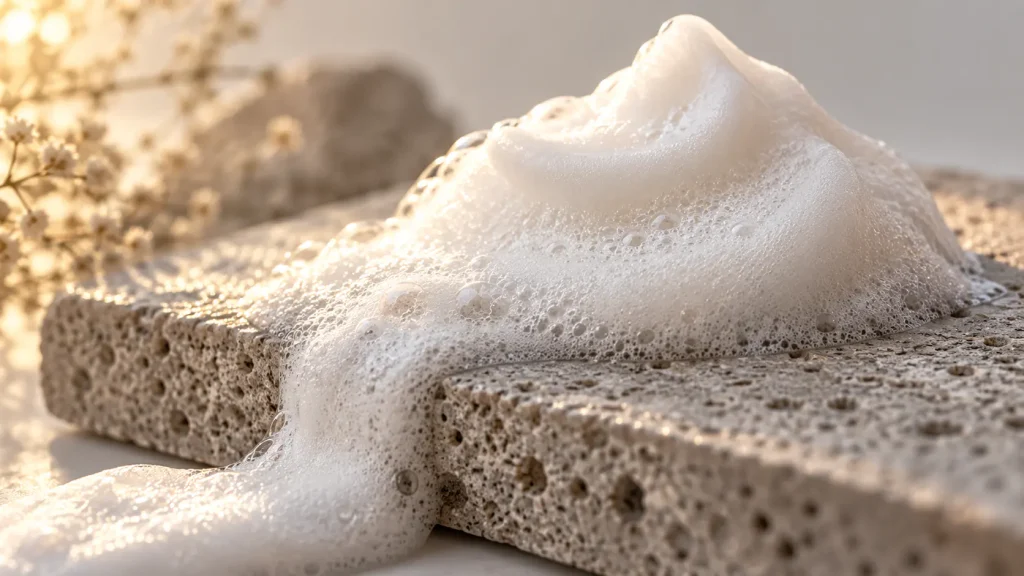
Body wash is a broad liquid body-cleansing category.
Depending on the formulation, it can support concepts around:
- Everyday cleansing
- Moisturizing feel
- Comfort after rinsing
- Sensitive-skin-oriented positioning
- Barrier-conscious body care
- Family or broad consumer use
- Skincare-inspired cleansing
For modern brands, body wash can become more than a functional product for removing sweat, sebum and surface impurities.
It can act as the first step of a broader body-skincare routine.
Body Wash Development Considerations
- Surfactant system
- Cleansing level
- Foam profile
- Viscosity
- Spreadability
- Rinse feel
- Skin feel after rinsing
- Tightness perception
- Residue
- Fragrance
- Packaging
- Commercial filling
The objective is to balance:
Cleansing Performance + Consumer Comfort
rather than maximizing foam or detergency without considering after-feel.
3. Does More Foam Mean Better Cleansing?
Not necessarily.
Foam is an important part of the consumer experience, but visible lather alone does not determine overall cleansing quality.
A body cleanser needs to balance:
- Removal of sweat, oil and impurities
- Foam character
- Rinsability
- Skin comfort
- Residue
A very high-foam product that leaves the skin feeling excessively tight may not fit a moisturizing or skincare-first positioning.
Likewise, a low-foam product still needs to deliver the cleansing experience expected by its target consumer.
Foam is a sensory characteristic — not a standalone measure of product quality.
4. What Is a Shower Gel?
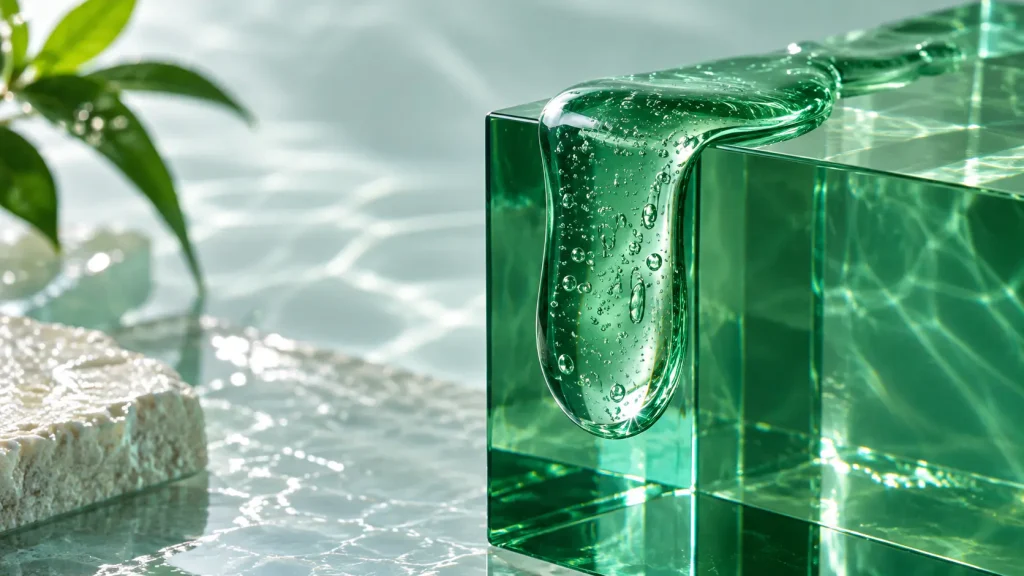
Shower gel is commonly associated with gel-like texture and a stronger sensory identity.
It can naturally support product concepts around:
- Freshness
- Signature fragrance
- Floral storytelling
- Marine concepts
- Botanical visuals
- Spa experience
- Wellness
- Aromatic rituals
- Lifestyle body care
- Giftable collections
In this type of product, several characteristics can become part of the brand story:
Scent + Foam + Color + Clarity + Texture + Packaging
Shower Gel Development Considerations
- Gel clarity
- Viscosity
- Foam
- Fragrance compatibility
- Fragrance level
- Color
- Botanical or decorative visual elements where appropriate
- Rinse feel
- Residue
- Packaging transparency
- Formula stability
For fragrance-led product examples, see:
PetalMist Floral Scented Shower Gel
and
Deep Sea Tide Scented Body Wash.
These examples also show why body wash and shower gel naming can overlap with fragrance-led positioning.
5. Fragrance Is Part of the Formula — Not Just a Marketing Layer
Fragrance can be central to shower-gel differentiation, but it also needs to work technically inside the cleanser.
Depending on the system, fragrance can influence:
- Clarity
- Color
- Viscosity
- Odor stability
- Surfactant system behavior
- Consumer perception
A crystal-clear gel can become hazy if the fragrance system is not compatible.
A fragrance adjustment can also change the sensory profile or require additional formulation work.
This is why fragrance should be considered during product development rather than added only after the cleanser base is finalized.
6. What Is an Exfoliating Body Cleanser?
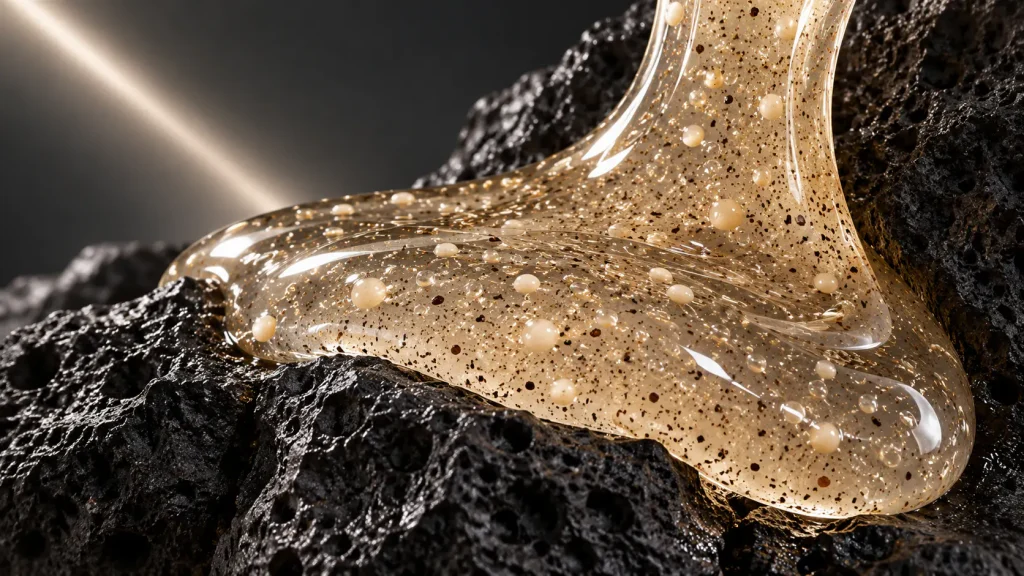
An exfoliating body cleanser combines cleansing with a treatment-oriented exfoliation strategy.
But it should not be treated simply as:
“Regular body wash + more acid.”
Depending on the concept, exfoliation may use:
- AHAs
- BHAs
- PHAs
- Enzyme systems
- Physical exfoliating materials
- Combination systems
The appropriate direction depends on:
- Target consumer
- Body area
- Frequency of use
- Formula pH where relevant
- Ingredient concentration
- Surfactant system
- Rinse-off contact time
- Claims strategy
- Target market
Possible cosmetic positioning can include:
- Rough-feeling skin
- Uneven-looking texture
- Smoother-looking skin
- Blemish-prone body-skin routines
- Skincare-inspired body cleansing
- Targeted body-care routines
Exfoliating Cleanser Development Considerations
- Exfoliating system
- Ingredient compatibility
- pH where relevant
- Surfactant system
- Viscosity
- Fragrance
- Color
- Stability
- Skin feel
- Rinse experience
- Packaging compatibility
The product needs to balance:
Cleansing + Exfoliation Strategy + Consumer Comfort
More exfoliating ingredients do not automatically create a stronger or better product.
For one treatment-focused direction, see TwinActify Acid & Enzyme Exfoliating Body Wash.
7. Rinse-Off Exfoliation Is Different From Leave-On Body Treatment
An exfoliating body cleanser is a rinse-off format.
That matters.
The performance of an acid, enzyme, or other treatment-oriented ingredient cannot automatically be assumed to be identical in:
- A rinse-off cleanser
- A leave-on body serum
- A leave-on body lotion
- A peel-style treatment
The finished product needs to be developed around:
- Ingredient system
- Use level
- Formula pH where relevant
- Contact time
- Frequency of use
- Directions
- Consumer tolerance
An ingredient that performs well in a leave-on facial serum should not automatically be copied at the same level into a rinse-off body cleanser.
8. Exfoliating Claims Need to Match the Target Market
Brands should also distinguish cosmetic exfoliation claims from therapeutic claims.
Cosmetic directions can focus on language such as:
- Smooths rough-feeling skin
- Helps improve the appearance of uneven texture
- Leaves skin feeling softer
- Supports a clearer-looking body-skin routine
But claims involving treatment or prevention of a medical condition can change how the finished product is regulated in certain markets.
For example, in the United States, a cleanser marketed specifically to treat acne is not treated only as an ordinary cosmetic cleanser.
The target market and claims strategy should therefore be established before formulation, labeling, and testing are finalized.
9. Should Exfoliating Body Wash Be Used Every Day?
There is no universal answer.
Appropriate use frequency depends on:
- Exfoliating system
- Ingredient concentration
- Formula pH where relevant
- Surfactant system
- Body area
- Consumer skin condition
- Other exfoliating products used in the same routine
A mild daily-use concept and a stronger periodic treatment cleanser are different product briefs.
The formula, directions, and claims should be developed accordingly.
“Exfoliating body wash” does not automatically mean “safe for unlimited daily use.”
10. Which Format Fits Your Brand Strategy?
Choose Body Wash When Your Priority Is:
- Daily cleansing
- Broad consumer relevance
- Comfort after rinsing
- Moisturizing sensory positioning
- Sensitive-skin-oriented concepts
- Skincare-inspired body care
- A complete body-care routine
A body wash also creates a natural portfolio entry point:
Body Wash → Body Serum → Body Cream → Body Oil
Choose Shower Gel When Your Priority Is:
- Signature fragrance
- Sensory ritual
- Freshness
- Visual clarity
- Color storytelling
- Botanical or floral themes
- Spa or wellness concepts
- Giftable product collections
Choose Exfoliating Body Cleanser When Your Priority Is:
- Targeted treatment positioning
- Rough-texture care
- Active ingredient storytelling
- Smoother-looking skin
- Specialist body skincare
- Hero SKU differentiation
11. Cleansing Performance & After-Feel Need to Work Together
Consumers judge body cleansers twice.
First:
Does this product cleanse effectively?
Then:
How does my skin feel after I rinse it off?
Important characteristics can include:
- Foam
- Spreadability
- Rinse speed
- Tightness perception
- Dryness perception
- Residue
- Softness
- Smoothness
- Fragrance persistence
- Overall comfort
A cleanser that produces rich foam but leaves the skin feeling uncomfortably tight may conflict with a skincare-first concept.
A very mild-feeling product, however, still needs to deliver the expected cleansing performance.
Cleansing performance and sensory experience should be developed together.
12. Fragrance Can Build a Complete Body-Care Collection
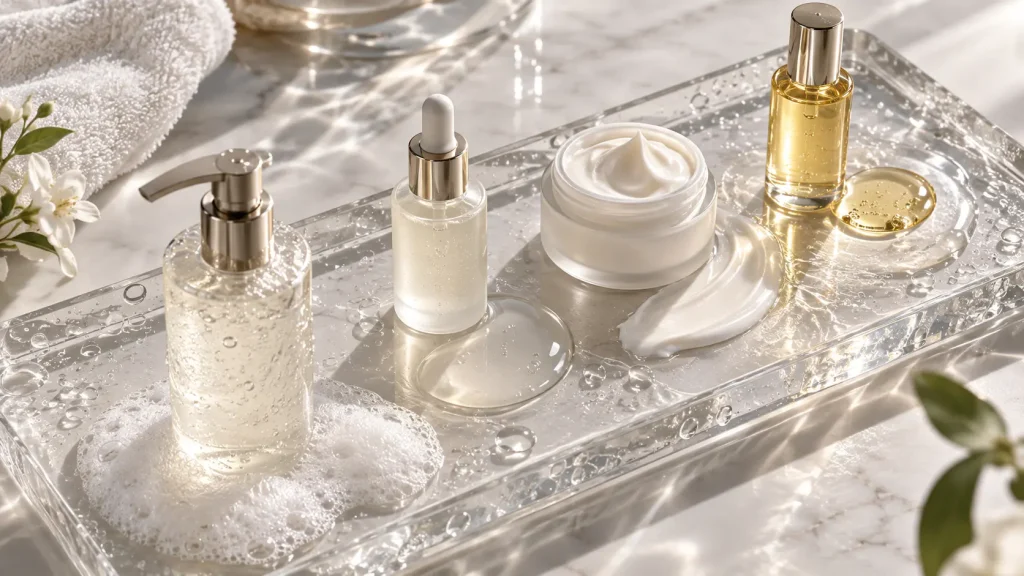
Fragrance can play a major role in body cleansing.
Possible scent directions include:
- Floral
- Fresh
- Marine
- Citrus
- Herbal
- Woody
- Spa-inspired
- Wellness-focused
For a fragrance-led brand, one shower product can become the beginning of a larger collection:
Shower Gel → Body Lotion / Cream → Body Oil → Fragrance Mist
This creates continuity across scent, packaging, color, and consumer ritual.
13. Packaging Should Work in a Wet Environment
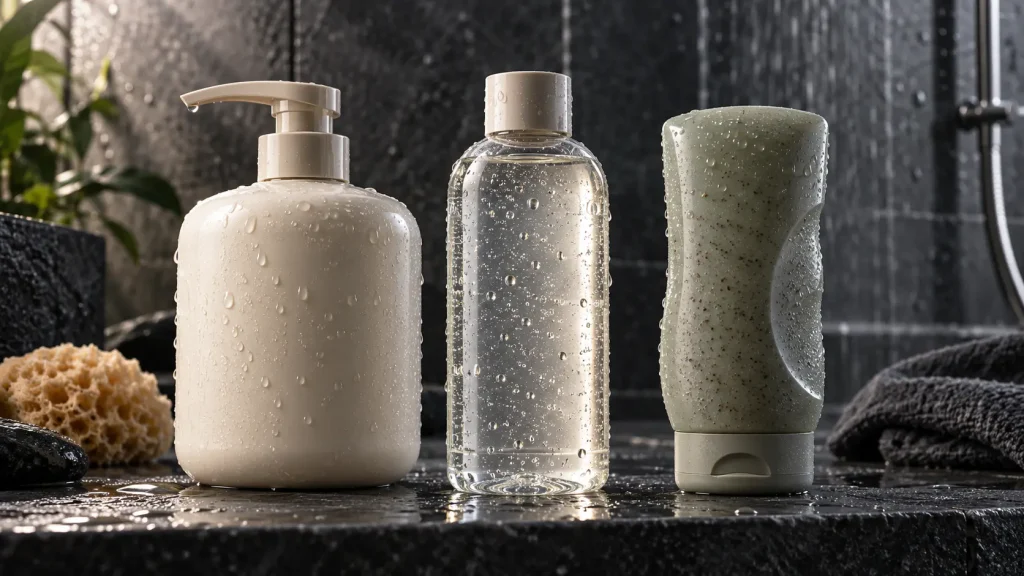
Body-cleansing packaging has a practical challenge that many facial products do not:
it is frequently handled with wet hands.
Common packaging options include:
- Pump bottle
- Flip-top bottle
- Squeeze bottle
Development should consider:
- Formula viscosity
- Dose per use
- Dispensing
- Closure performance
- Leakage
- Consumer grip
- One-handed use
- Filling
- Packaging compatibility
- Product appearance
For thicker formulas, the opening and pump pathway need to handle viscosity reliably.
For clear or visually differentiated shower gels, transparent packaging can help showcase color, clarity, petals, beads, or other visible product features where appropriate.
For more detail, see How to Choose Cosmetic Packaging for Skincare & Beauty Products.
14. Stability Questions Differ by Formula Direction

Moisturizing Body Wash
Evaluation may include:
- Viscosity
- Appearance
- Color
- Odor
- Formula uniformity
- Packaging compatibility
Transparent Shower Gel
Additional focus may include:
- Clarity
- Haze
- Color stability
- Precipitation
- Fragrance compatibility
- Viscosity
Exfoliating Body Cleanser
Depending on the formulation, evaluation may include:
- pH where relevant
- Exfoliating ingredient compatibility
- Viscosity
- Particle suspension where applicable
- Color
- Odor
- Precipitation
- Packaging interaction
The testing protocol should follow the actual formula rather than the category name.
For more detail, see Cosmetic Stability Testing: What Beauty Brands Need to Know and Cosmetic Product Testing Before Mass Production.
15. Manufacturing Body Wash & Shower Gel Has Its Own Challenges
Liquid cleansers can create specific commercial manufacturing considerations.
Production may involve:
- Surfactant incorporation
- Controlled mixing
- Foam management
- Viscosity adjustment
- Fragrance incorporation
- Color adjustment
- Particle or decorative-element dispersion where applicable
- Deaeration where appropriate
- Controlled filling
Excessive foaming during mixing or filling can reduce production efficiency.
Highly viscous products may require different filling conditions from low-viscosity shower gels.
Suspended particles or decorative elements can introduce additional mixing, filling, and dispensing considerations.
The formula therefore needs to work at:
Lab Scale + Commercial Batch Scale + Filling Line
16. How Do These Formats Affect MOQ & Cost?
MOQ depends on much more than whether the label says “body wash” or “shower gel.”
Project minimums may be affected by:
- Formula batch size
- Surfactant and specialty ingredient sourcing
- Fragrance minimums
- Exfoliating ingredients
- Bottles
- Pumps or closures
- Custom colors
- Printing and decoration
- Filling requirements
- Testing
A straightforward stock-fragrance shower gel in available packaging may have a very different MOQ structure from a dual-system exfoliating cleanser in custom packaging.
There is no universal rule that one of these three categories always has the lowest MOQ.
For more detail, see Cosmetic MOQ Explained: What Determines Minimum Order Quantity?.
17. Private Label, ODM & Custom Body-Cleansing Development
Private Label Body Wash / Shower Gel
A private label route can begin with an existing manufacturer-developed cleansing formula.
This can reduce original formulation work while allowing the brand to focus on areas such as:
- Fragrance
- Packaging
- Artwork
- Brand positioning
- Available customization
Customized ODM
An ODM project can adapt an established formulation platform through selected changes such as:
- Surfactant profile
- Hero ingredients
- Fragrance
- Color
- Texture
- Viscosity
- Visual elements
- Packaging
Custom OEM Formulation
A more customized project can be developed around:
- Target consumer
- Skin-feel objective
- Cleansing level
- Surfactant strategy
- Exfoliating system
- Fragrance identity
- Texture
- Packaging
- Claims direction
- Target market
18. Can One Brand Develop All Three Formats?
Yes.
The formats can serve different consumer occasions within one body-care portfolio.
Daily Body Wash
Everyday cleansing + skin comfort
↓
Fragrance-Led Shower Gel
Sensory / lifestyle cleansing
↓
Exfoliating Body Cleanser
Targeted treatment-oriented cleansing
These can then connect into leave-on body care:
Body Oil vs Body Serum vs Body Cream: Which Format Is Right for Your Brand?
creating a complete routine:
Cleanse → Treat → Moisturize → Finish
Which Body-Cleansing Format Should Your Brand Develop?
Choose Body Wash If Your Priority Is:
- Daily cleansing
- Broad consumer appeal
- Skin comfort
- Moisturizing sensory feel
- Skincare-inspired positioning
- Building a complete body-care routine
Choose Shower Gel If Your Priority Is:
- Signature fragrance
- Sensory ritual
- Freshness
- Gel clarity
- Lifestyle positioning
- Spa or wellness concepts
- Giftable fragrance collections
Choose Exfoliating Body Cleanser If Your Priority Is:
- Treatment differentiation
- Rough-texture care
- Exfoliating ingredient story
- Smoother-looking skin
- Specialist body care
- A differentiated hero SKU
A stronger development sequence is:
Target Consumer
↓
Cleansing Need
↓
Usage Occasion
↓
Desired Skin Feel
↓
Active / Fragrance Strategy
↓
Formula Architecture
↓
Packaging
↓
Future Portfolio
↓
Final Product Format
Frequently Asked Questions
What is the difference between body wash and shower gel?
The categories overlap significantly. “Body wash” is commonly used as a broad term for liquid body cleansers and can support moisturizing or skincare-oriented positioning. “Shower gel” often describes a more gel-like, fragrance- or sensory-led product. The actual distinction depends on formula, texture and brand positioning.
Is body wash more moisturizing than shower gel?
Not automatically. Many body washes are designed around a more moisturizing sensory profile, but the product name itself does not determine moisturization. The finished surfactant, humectant, emollient and conditioning system matters more.
Is shower gel stronger than body wash?
Not necessarily. Cleansing strength depends on the surfactant system and finished formulation rather than whether the label says shower gel or body wash.
Does more foam mean a body wash cleans better?
No. Foam strongly influences consumer experience, but cleansing performance also depends on the surfactant system, use level, rinsing and formulation. More visible foam does not automatically mean better cleansing.
Can shower gel contain skincare ingredients?
Yes. Humectants, emollients, botanical ingredients and other suitable skincare ingredients can be incorporated when compatible with the cleansing system. Their presence alone does not guarantee a specific finished-product benefit.
What ingredients can be used in exfoliating body cleansers?
Depending on the product concept, formulations may use AHAs, BHAs, PHAs, enzymes, physical exfoliating systems, or combinations. The correct approach depends on concentration, pH where relevant, surfactant system, intended use, consumer and target market.
Is exfoliating body wash suitable for daily use?
It depends on the exfoliating system, formula, use level, target body area, directions and consumer. Daily use should not be assumed simply from the product category.
Can an exfoliating body wash treat body acne?
Brands should be careful with this claim. In markets such as the United States, a cleanser specifically marketed to treat acne can fall into drug regulation rather than being treated only as a cosmetic body wash. Claims should be determined according to the target market.
Does rinse-off contact time matter for exfoliating cleanser?
Yes. A rinse-off product creates a different exposure pattern from a leave-on serum or lotion. Ingredient level, formula conditions, directions and contact time should therefore be considered as part of the complete product design.
Does fragrance affect shower gel formulation?
Yes. Fragrance can influence clarity, viscosity, odor stability, color, surfactant compatibility and the overall sensory experience.
Does packaging matter for body wash?
Yes. Formula viscosity, wet-hand use, dosage, pump or closure performance, filling, leakage and packaging compatibility all need to be considered.
Can a brand develop body wash, shower gel and exfoliating cleanser in one line?
Yes. The three can serve different roles — everyday cleansing, sensory cleansing and targeted exfoliating care — within one broader body-care portfolio.
Which body cleanser usually has the lowest MOQ?
There is no universal answer. MOQ depends on formula batch size, fragrance, specialty ingredients, packaging, decoration, filling, testing and supplier minimums.
Develop the Cleansing Format Around the Consumer
Body wash, shower gel, and exfoliating cleanser should not be treated as three interchangeable labels for the same product idea.
Each can create a different combination of:
Cleansing System + Skin Feel + Fragrance / Active Strategy + Packaging + Usage Occasion + Manufacturing + Brand Positioning
The strongest format is the one that gives the product a clear role in the consumer’s routine.
At NEXO Beauty Labs, body-cleansing development can be approached across private label, ODM, and custom OEM pathways together with formulation, fragrance and sensory design, exfoliating systems, packaging, stability evaluation, product testing, scale-up, and commercial manufacturing.
Whether you’re developing a moisturizing daily body wash, fragrance-led shower gel, or treatment-focused exfoliating cleanser, the development direction should begin with the consumer experience and market position your brand is trying to create.
Request a Body Wash & Shower Gel OEM/ODM Consultation with NEXO Beauty Labs to discuss your formula, fragrance, exfoliating system, packaging, MOQ, testing, and manufacturing requirements.