
Ingredient & Delivery Technology
Ingredient and delivery technology for beauty products, from active-system design and formula architecture to stability, compatibility, and commercialization.
NEXO Beauty Labs supports ingredient and delivery technology planning for skincare, hair and scalp care, body care, and personal care brands. We evaluate how selected actives fit the formula base, supporting ingredients, product format, and intended use.
The ingredient and delivery approaches below are options for project review. Availability and suitability depend on the specific raw material, supporting technical information, and agreed development scope.
Connect the Active Ingredient with the Formula System
Ingredient selection starts with the role each material is intended to play. We consider active ingredients alongside the base, stabilizing components, texture modifiers, and other supporting materials rather than assessing an ingredient name in isolation.
Technical directions for review can include botanical extraction and purification, fermentation-derived materials, and selected biotechnology-based actives. Each direction is assessed for its relevance to the product and its compatibility with the proposed formula.
Ingredient Directions for Product Development
The following ingredient families provide starting points for discussion, not fixed formulas. Selection depends on the product goal, ingredient information, texture requirements, and formulation feasibility.
Botanical Extracts & Plant Oils
Rose, peony, camellia, ginseng, and agarwood are examples of botanical ingredient directions. The selected extract or oil is reviewed for its source, intended role, and compatibility with the formula.
Fermentation-Derived Ingredients
Fermentation-derived materials and active polysaccharides are potential directions for review. Selection considers the specific raw material, supporting technical information, and fit with the proposed product.
Peptides & Recombinant Collagen
Peptides and recombinant Type III collagen are ingredient directions for project evaluation. The exact material, proposed use level, and supporting data are reviewed alongside formula compatibility and stability.
Vitamins & Antioxidants
Vitamin and antioxidant systems can be considered for radiance and skin-conditioning concepts. Ingredient form, the surrounding formula base, stability, and sensory impact guide selection.
Barrier-Support Systems
Ceramides, lipids, moisturizing ingredients, and selected plant oils provide directions for barrier-care development. Their combination is evaluated for compatibility, texture, and the intended product experience.
Hair & Scalp Active Systems
Botanical and other functional ingredient combinations can be considered for scalp balance, refreshing care, conditioning, shine, and hair-strengthening concepts. Selection follows the intended product category and use.
Other directions, including acid and enzyme systems, can be reviewed against the product brief. Specific materials and proposed claims are assessed individually.
Match the Delivery Approach to the Ingredient
Delivery-system planning considers how selected ingredients are carried, protected, dispersed, and incorporated into a product. The approach should address a defined formulation need rather than add a technical label without a clear role.
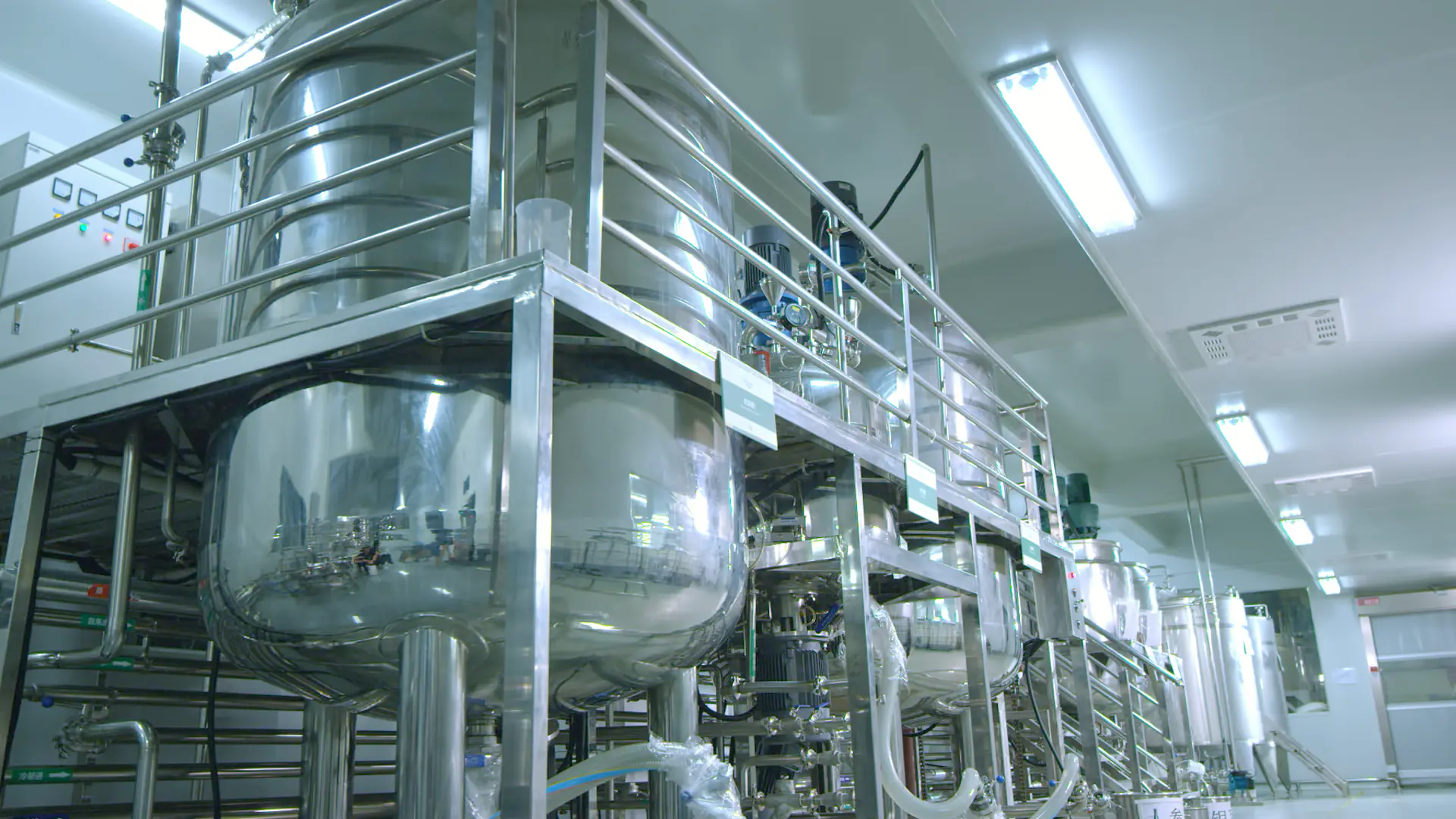
Emulsion & Carrier Design
Oil-in-water, water-in-oil, gel-cream, and other base structures provide different ways to incorporate selected ingredients. Carrier selection is reviewed alongside dispersion, compatibility, stability, and texture.
Encapsulated-Active Concepts
Encapsulation may be evaluated when ingredient protection or a specific presentation within the formula is relevant. The proposed system needs to be assessed with the actual formula and processing conditions.
Peptide-Assisted Delivery Research
Peptide-assisted delivery is a research direction for selected ingredient systems. Its suitability requires review of the specific technology and study data; it is not a standard feature of every formula.
Multi-Phase Formula Design
Some concepts require ingredient groups to be managed in separate phases or more specialized structures. Development considers how those phases fit the product, packaging, stability requirements, and intended use.
Formula Delivery and Product Format Are Different Decisions
Single-dose soft capsules for skincare, eye care, hair oils, and makeup removal are product-format options. Their format alone does not establish which delivery technology is used inside the formula. For capsule concepts, formulation review also considers compatibility with the selected format.
Review the Whole Formula, Not Just the Active
An ingredient or delivery concept needs to fit the complete product system. The review connects ingredient behavior with the base, manufacturing conditions, sensory requirements, packaging, and relevant stability testing.
Solubility & Dispersion
Review how the ingredient is dissolved, dispersed, or incorporated into the chosen formula base.
pH & Ingredient Compatibility
Evaluate the proposed pH range and interactions between the active, supporting ingredients, and base structure.
Processing Conditions
Review mixing, heating, and other production conditions relevant to the selected ingredient and carrier system.
Stability Review
Assess the proposed ingredient system within the complete formula under the agreed development-testing conditions.
Sensory Fit
Check how the ingredient system affects texture, spreadability, finish, residue, and the intended application experience.
Packaging Compatibility
Consider the complete formula together with its container, dispensing method, and any selected capsule or multi-component format.
From Ingredient Direction to an Evaluated Formula System
The project moves from a proposed ingredient concept to a formulation approach that can be assessed in samples. Review findings guide refinement before production preparation.
Ingredient Brief
Define the product goal, preferred actives, category, target market, and any proposed delivery concept.
Raw-Material Review
Review ingredient identity, source, available technical information, and proposed use within the formula.
System Design
Match selected actives with the formula base, supporting ingredients, and a suitable carrier or delivery approach.
Prototype Comparison
Evaluate samples for ingredient compatibility, texture, appearance, and fit with the intended product direction.
Validation Review
Review relevant stability, packaging, and performance findings for the proposed ingredient and formula system.
Production Preparation
Review processing requirements, packaging fit, and scale-up needs before moving toward commercial manufacturing.

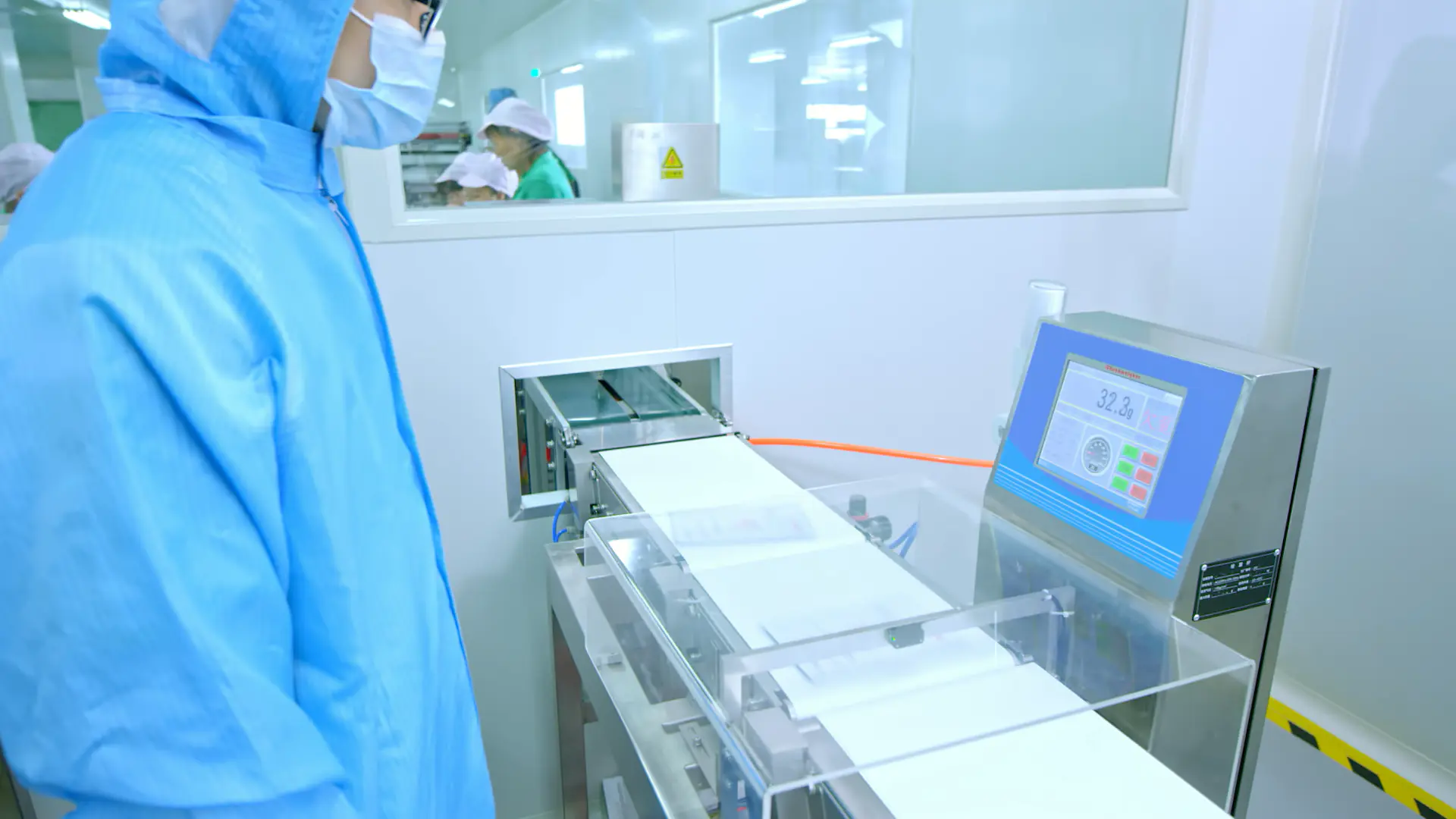
Ingredient identity, quantity, and handling requirements connect raw-material selection with practical formulation.

The selected ingredient and formula system is reviewed together with processing, equipment, packaging, and scale-up needs.
Connect Ingredient Evidence with the Finished Product
Ingredient studies, delivery-system research, and finished-product tests answer different questions. For project planning, the review considers what material and test conditions were assessed and which findings are relevant to the proposed formula.
Before commercial manufacturing, the selected system still needs to meet the agreed stability, compatibility, sensory, packaging, and production requirements. Research descriptions or supplier data are not presented as automatic guarantees of finished-product performance.
Explore Ingredient Strategy & Product Development
How to Develop a Scalp Serum
Explore a category-specific development guide for brands considering a scalp serum.
Serum Capsules vs Bottled Serums
Read the comparison of serum capsules and bottled formats when considering product presentation.
Cosmetic Product Testing Before Mass Production
Read more about cosmetic product testing before moving into mass production.
Custom Cosmetic Formulation & ODM Development
Explore the broader formulation service, from product requirements and sampling to manufacturing preparation.
Ingredient & Delivery Technology FAQs
What does ingredient and delivery technology mean in cosmetics?
It covers the choice of active and supporting ingredients, how they are incorporated into the formula, and whether a particular carrier or delivery approach is appropriate. The review connects ingredient function with compatibility, stability, texture, and intended use.
Can you develop products around ingredients requested by our brand?
Yes. Share the ingredient name, proposed use level, product concept, and any available supplier information. We review compatibility, supporting ingredients, delivery direction, sensory impact, and overall formulation feasibility.
Does every product need encapsulation or a specialized delivery system?
The approach is selected around the ingredient and product requirements. A conventional formula base may be appropriate; specialized systems are considered when they address a defined development need.
Are single-dose soft capsules the same as microencapsulation?
Not necessarily. A single-dose soft capsule describes the product format. Whether its contents use an encapsulated active, a peptide-assisted approach, or another delivery system depends on the formulation inside it.
How are ingredient and delivery-performance claims reviewed?
The proposed claim is considered against the specific material, formula, test conditions, and available results. An ingredient study or research example is not automatically applied to every finished product.
Can ingredient-led development continue through to manufacturing?
Yes. NEXO Beauty Labs can connect ingredient selection and delivery-system planning with sampling, optimization, validation review, and production preparation. The technical approach and scope are confirmed for the individual project.
Have an Ingredient or Delivery Concept in Mind?
Share your target ingredients, product category, preferred texture, target market, and packaging direction. Include any available technical information so our team can review the proposed approach and development scope.