Custom Cosmetic Formulation & ODM Development
Custom formulation and ODM development for beauty brands, from product strategy and sampling to formula optimization and scale-up preparation.
Bring us a product concept, reference sample, or defined set of requirements. NEXO Beauty Labs provides custom cosmetic formulation and ODM development for skincare, haircare, scalp care, body care, and personal care brands.
We connect product positioning with ingredient strategy, formula architecture, texture, sensory profile, packaging, testing, and manufacturing preparation so development decisions remain aligned from the initial brief through to commercial production.
Define the Product Before Formulation Begins
We begin by clarifying who the product is for, what it should achieve, how it should feel, where it will be sold, and how it should fit within your brand. These decisions form the development brief before laboratory formulation begins.
A clear brief gives ingredient selection, texture design, sample evaluation, packaging, claims planning, and commercial feasibility a shared direction throughout development.
Build the Complete Formula Around the Product Brief
Ingredient selection is reviewed as part of the complete formula rather than as a list of individual actives. We consider how preferred ingredients interact with the base structure, supporting materials, texture modifiers, stabilizing components, and intended packaging.
Depending on the product concept, formulation may involve botanical ingredients, peptides, fermentation-derived materials, ceramides, antioxidants, vitamins, organic acids, oils, microbiome-focused ingredients, and other functional systems.
Ingredient Compatibility
Review interactions between active ingredients, supporting materials, and the formula base.
Formula Stability
Consider formula structure alongside the expected stability and development requirements.
Sensory Performance
Align texture, spreadability, absorption, finish, residue, and fragrance with the brief.
Manufacturing Feasibility
Consider future processing, filling, packaging, and scale-up requirements during formulation.
Turn the Product Brief into Laboratory Samples
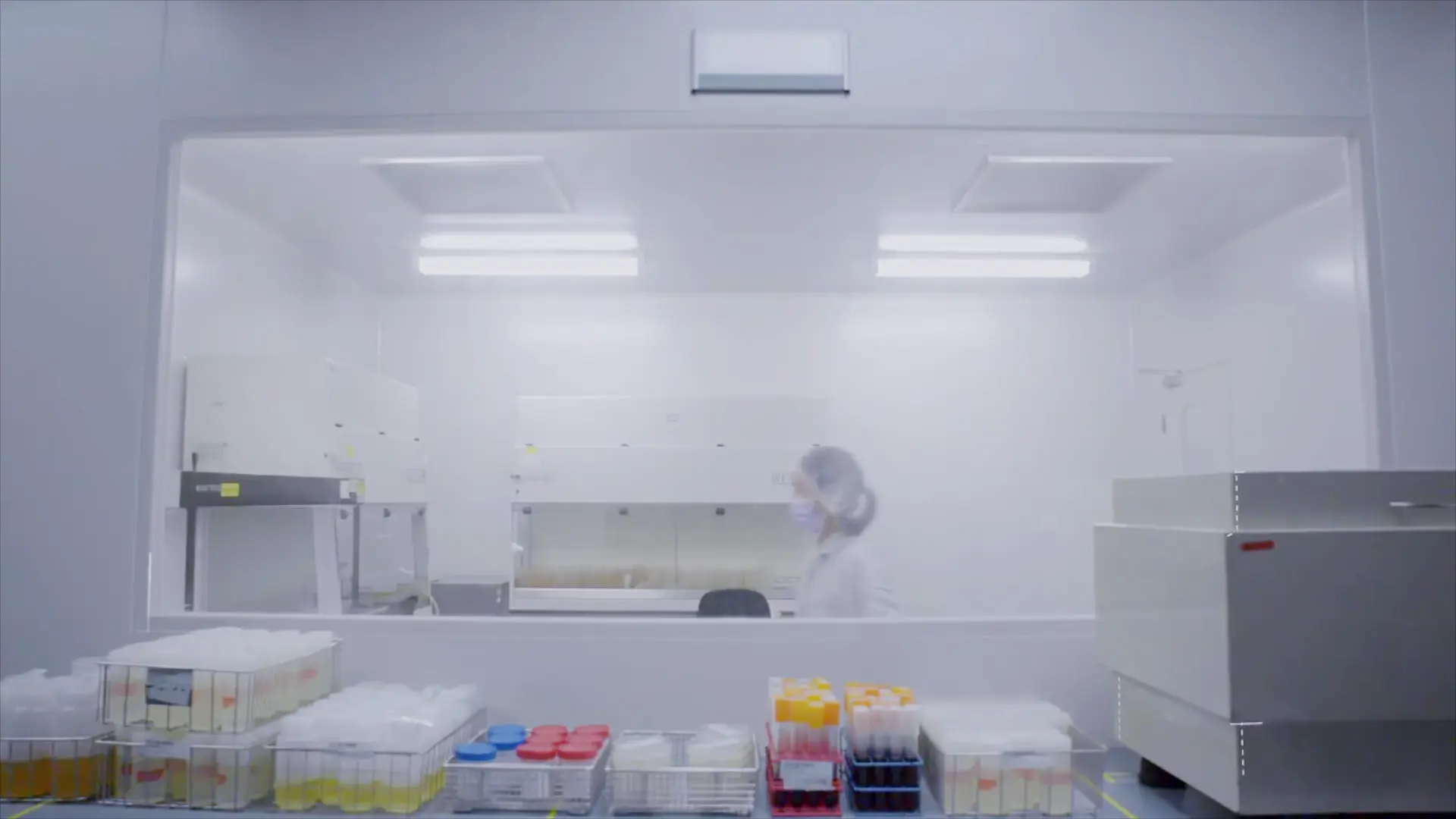
Initial samples are prepared against the agreed product brief. Review focuses on whether the prototype is moving in the intended direction for appearance, texture, fragrance, spreadability, absorption, after-feel, and overall product experience.
Product Brief
Confirm the development direction and key requirements.
Initial Sample
Prepare a laboratory prototype against the brief.
Sample Review
Compare the prototype with the intended product experience.
Formula Refinement
Adjust selected formulation and sensory characteristics.
Sample Approval
Confirm the sample direction before subsequent validation.
Shape How the Product Feels During and After Use
Texture is part of the product strategy. During sample refinement, we review how the formula looks and feels from first contact through application and after-feel.
Adjustments may address viscosity, spreadability, watery or oily feel, fragrance, cooling sensation, smoothness, tackiness, residue, gloss, and perceived absorption according to the intended product experience.
Align the Formula with Packaging and Market Requirements
Packaging and product positioning should be considered while the formulation is still being developed. The formula needs to work with the intended container, dispensing method, filling process, and application routine.
Packaging Format
Review bottles, pumps, droppers, tubes, jars, capsules, or other dispensing formats against the formula and intended use.
Product Experience
Consider how dispensing, dosage, texture, application, fragrance, and finish work together in the intended consumer routine.
Claims & Evidence Direction
Define intended product claims early enough to identify the ingredient, testing, and documentation considerations that may affect development.
Target Market
Product category, intended claims, packaging, and documentation requirements can be reviewed in relation to the planned market.
Validate the Product Before Commercial Production
Once the development direction is established, the testing plan is reviewed according to the formula, packaging, product category, intended claims, and target market.
Depending on the project, this may include stability review, packaging compatibility, sensory evaluation, physical or chemical review, microbiological considerations, and selected product-performance assessments.
Prepare the Approved Formula for Manufacturing
Formula approval is not the end of development. Before commercial manufacturing, the project moves through a production-readiness review covering raw materials, processing requirements, equipment, packaging compatibility, filling conditions, and relevant quality controls.
Where additional scale-up work is required, the laboratory process is translated into manufacturing parameters before larger-volume production. This helps connect the approved sample with repeatable commercial execution.
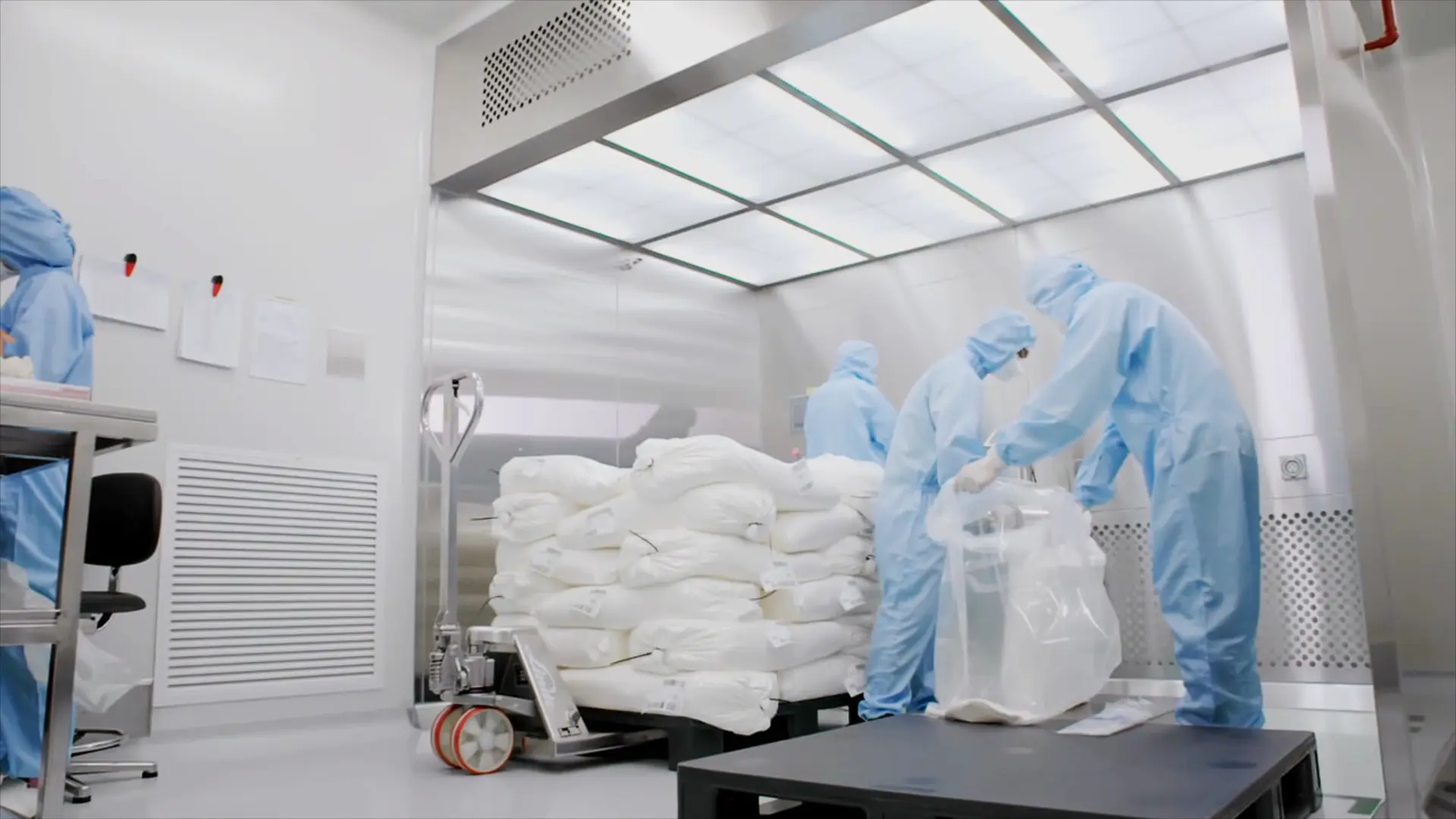
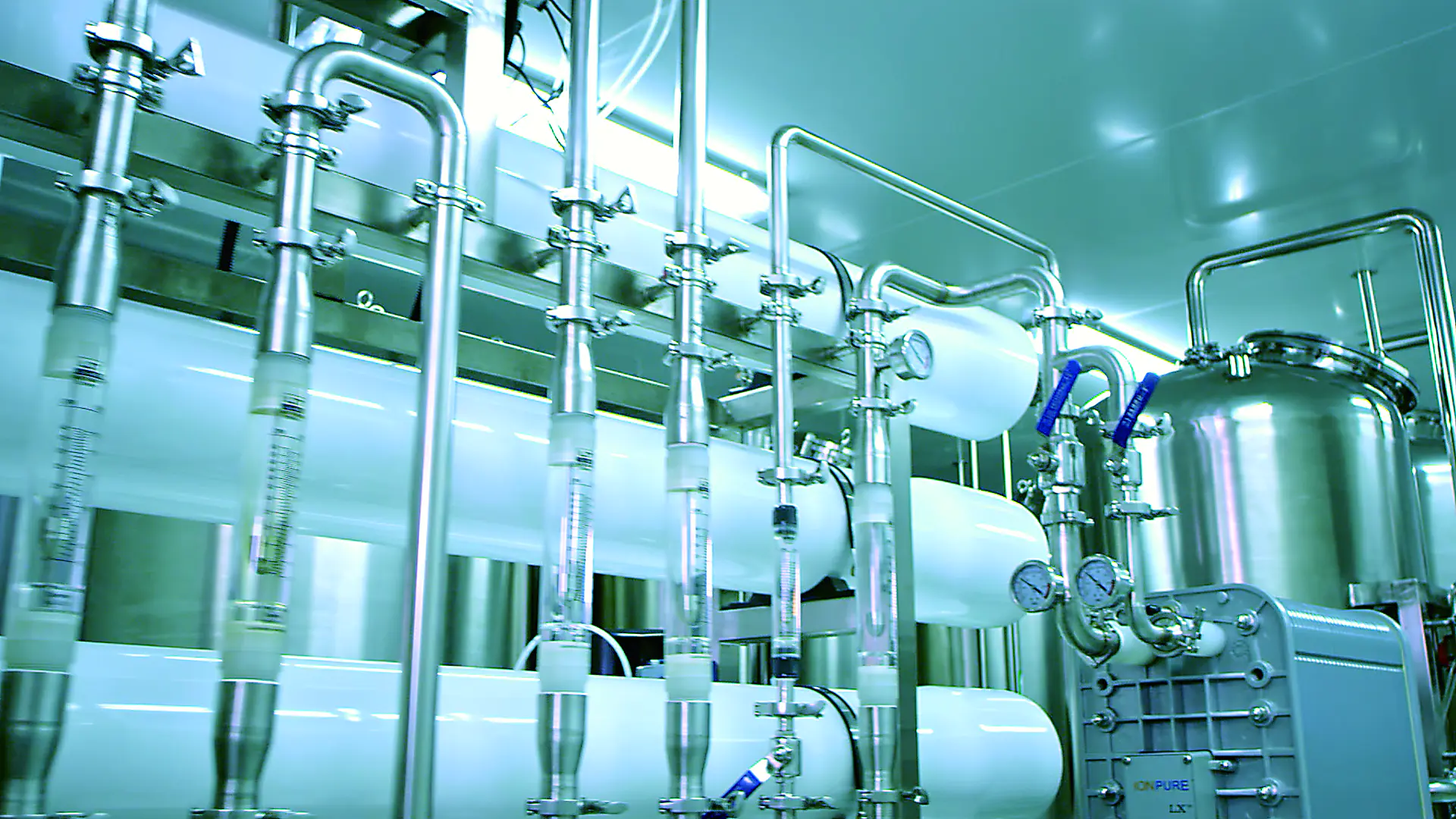
Production equipment and process conditions are reviewed against the approved formula.

Processing conditions can be monitored during manufacturing to support repeatable execution.
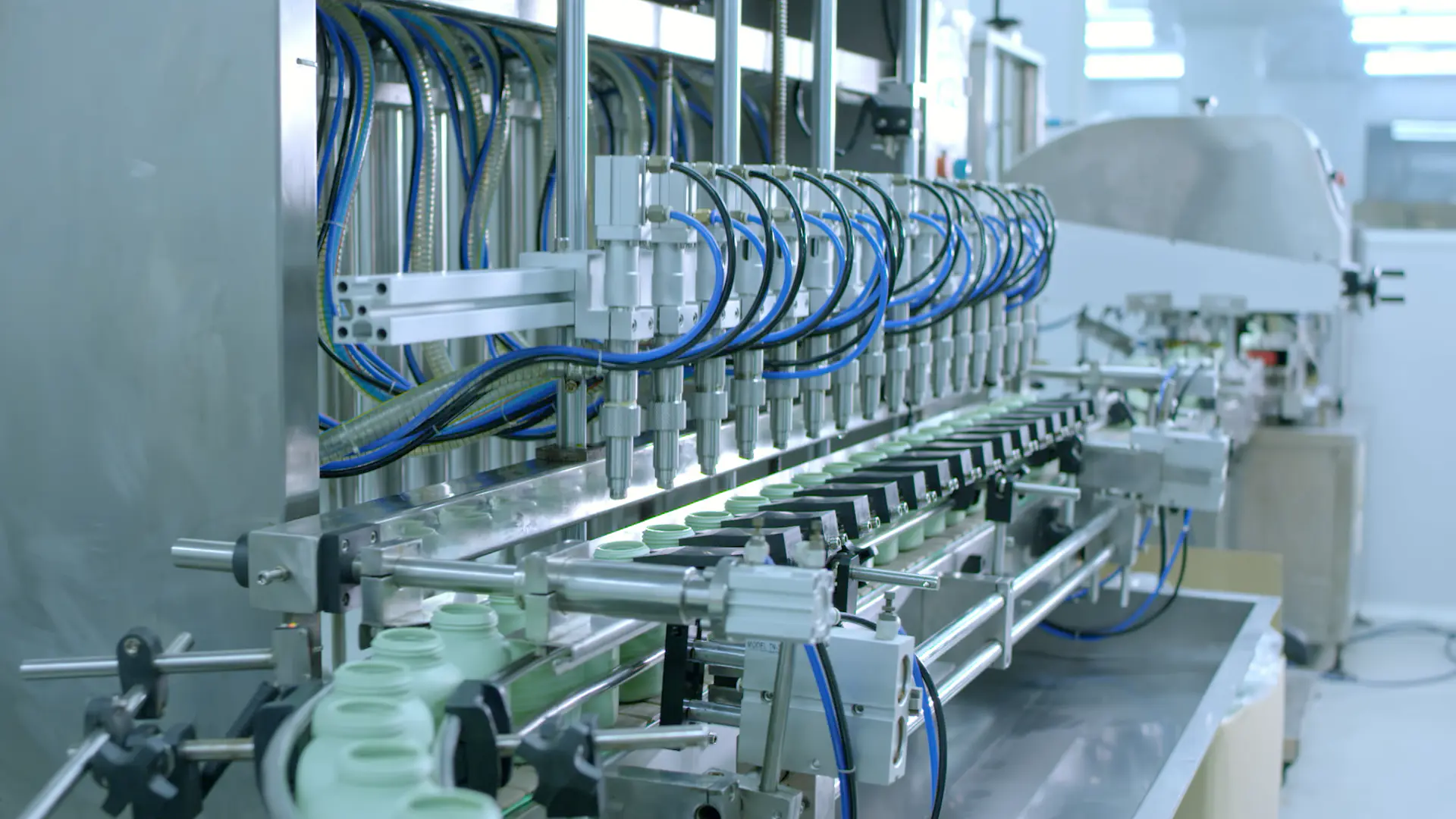
Formula viscosity, filling equipment, dispensing format, and final packaging need to work together.
What Can Be Customized?
Active Ingredients
Preferred actives and supporting ingredients, evaluated within the complete formula.
Texture & Viscosity
Lightweight serums, richer emulsions, creams, gels, and other texture directions.
Fragrance & Sensory Profile
Fragrance direction, spreadability, watery or oily feel, finish, residue, and after-feel.
Appearance
Color, transparency, gloss, visual texture, and overall product appearance.
Product Positioning
Hydration, barrier care, brightening, scalp care, repair, conditioning, and other development directions.
Packaging Format
Formula compatibility with bottles, pumps, droppers, tubes, jars, capsules, and other dispensing formats.
Product Categories We Can Develop
Skincare
Serums · Creams · Lotions · Cleansers · Masks
Hair & Scalp Care
Shampoos · Conditioners · Scalp Serums · Hair Treatments
Body & Personal Care
Body Serums · Oils · Deodorants · Cleansing Products
Innovative Formats
Capsules · Freeze-Dried Systems · Hydrogel · Multi-Component Concepts
Your Formulation & ODM Development Process
Product Brief
Define the consumer, product goals, positioning, channel, packaging direction, and commercial requirements.
Formula Strategy
Align ingredient systems, formula structure, texture, sensory profile, and packaging requirements.
Laboratory Sampling
Prepare prototypes for review against the agreed product brief.
Optimization
Use sample feedback to refine formula performance, appearance, texture, fragrance, and after-feel.
Testing & Validation
Plan relevant stability, compatibility, sensory, quality, and performance assessments.
Production Preparation
Review scale-up, raw materials, processing, filling, packaging, and quality requirements before manufacturing.
Learn More About Cosmetic Product Development
Explore related resources covering development timelines, product testing, packaging, and category-specific formulation planning.
Cosmetic Product Development Timeline
Understand the key stages from product concept and sampling to testing, packaging, and manufacturing preparation.
Cosmetic Product Testing Before Mass Production
Learn why stability, compatibility, and other product testing matter before larger-scale production.
How to Develop a Scalp Serum
See how positioning, ingredients, texture, packaging, and testing come together in a category-specific development project.
How to Choose Cosmetic Packaging
Explore packaging considerations including compatibility, dispensing format, product use, and brand presentation.
Custom Formulation & ODM Development FAQs
What information do you need to start a custom formulation project?
Share your product concept, target consumer, intended benefits, target market, sales channel, preferred texture, packaging direction, target price positioning, and any reference products. Details that are not yet finalized can be clarified during the initial development review.
Can you support ODM development from an early product idea?
Yes. We can help turn an initial concept into a structured product brief and connect product positioning, ingredient strategy, formulation, sampling, packaging, testing, and manufacturing preparation.
Can I request specific active ingredients?
Yes. Preferred ingredients can be reviewed alongside proposed use levels, supporting ingredients, compatibility, stability, sensory impact, packaging requirements, and overall formula feasibility.
Can you work from a reference product?
Yes. A reference product can help communicate the desired texture, application experience, fragrance direction, appearance, packaging format, positioning, or performance direction. Development then focuses on creating a product suited to your own brand requirements.
How many sample revisions are needed?
The number of revisions depends on the complexity of the brief and the changes requested after each sample review. Clear feedback on specific attributes such as texture, fragrance, absorption, finish, and appearance can make the optimization process more focused.
What happens after the formula is approved?
The project moves into the remaining testing and production-preparation stages. Scale-up requirements, raw materials, packaging compatibility, filling conditions, quality controls, and manufacturing feasibility are reviewed before commercial production.
Ready to Develop Your Custom Beauty Product?
Share your product concept, target consumer, target market, preferred ingredients, texture direction, packaging format, and estimated quantity. Our team can review your requirements and discuss a suitable custom formulation and ODM development route.