How Much Does It Cost to Create Your Own Beauty Product?
Real cost ranges for launching a beauty product — from private label to fully custom formulas. See what drives the price up or down and how to budget smart.
How much does it cost to launch a beauty product?
The answer can range from a relatively lean investment for an existing private label formula to a much larger budget for a fully custom product with specialized ingredients, testing, packaging, and higher production quantities.
That’s because there isn’t one single “cosmetic manufacturing cost.” Your total launch budget is made up of several separate expenses — formulation, samples, testing, raw materials, production, packaging, branding, logistics, and inventory.
Understanding those cost drivers is much more useful than relying on one generic online estimate.
This guide breaks down what actually affects the cost of launching a skincare, haircare, body care, or personal care product — and how private label, ODM, and custom OEM development change the budget.
Note: Costs vary significantly between products, manufacturers, packaging suppliers, order quantities, and target markets. The information below is intended as a budgeting framework rather than a fixed quotation.
What Determines the Cost of Launching a Beauty Product?
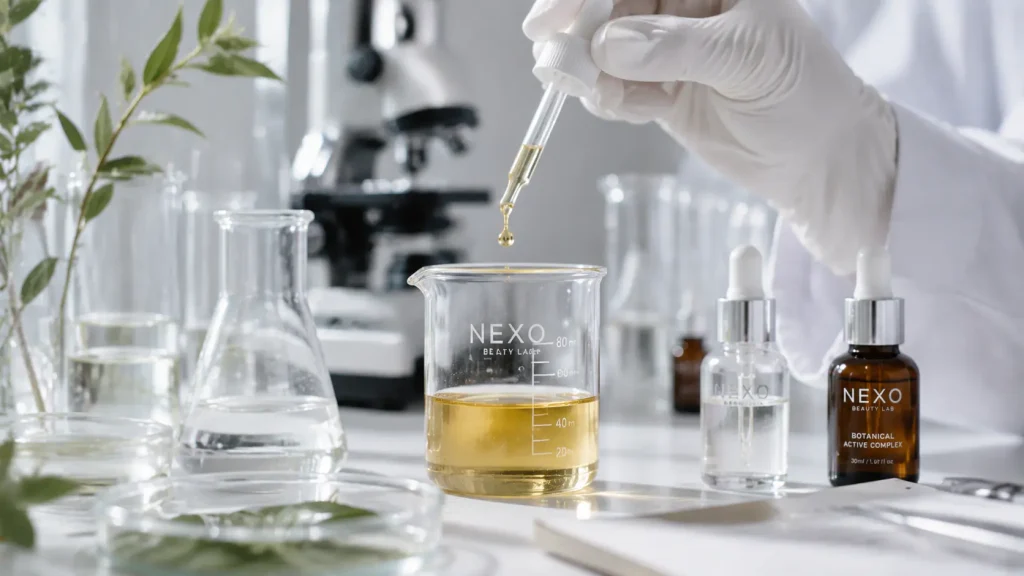
The biggest factors affecting your beauty product budget are:
- Private label, ODM, or custom formulation
- Number of products or SKUs
- Formula complexity
- Ingredient selection
- Sample and development requirements
- Testing requirements
- Minimum order quantity (MOQ)
- Primary packaging
- Secondary packaging
- Printing and decoration
- Target-market requirements
- Shipping and logistics
- Branding and launch marketing
Two brands launching similar-looking serums can therefore end up with very different budgets.
One might choose an existing formula, stock dropper bottle, standard carton, and modest first production run. Another might develop a proprietary formula with specialty actives, custom packaging, extensive decoration, and a larger order.
The products may look similar online, but the development costs behind them are completely different.
Private Label vs. Custom Formulation: Which Costs More?
One of the biggest decisions affecting your budget is how the formula is developed.
There are broadly three routes.
Private Label
Private label usually begins with an existing product or formulation that the manufacturer already offers.
Because much of the initial formula development has already been completed, your investment is usually concentrated around:
- Product selection
- Samples
- Packaging
- Labels and artwork
- Production inventory
- Branding and marketing
This generally makes private label the least development-intensive route.
ODM
An ODM project may also begin with a manufacturer-developed formula or product platform, but can allow selected customization depending on the supplier and product.
For example, you may be able to adjust:
- Fragrance
- Color
- Selected botanical extracts
- Selected actives
- Texture or sensory characteristics
- Packaging
The more the formula changes, the more development, sampling, testing, and cost may be involved.
Custom OEM Formulation
A more customized OEM project begins with a detailed product brief and requires greater R&D involvement.
Development may include:
- Ingredient research and selection
- Prototype formulation
- Multiple sample revisions
- Texture and sensory optimization
- Stability work
- Packaging compatibility
- Scale-up
- Commercial manufacturing preparation
This usually requires a larger development investment than selecting an existing formula, but it can also provide stronger product differentiation.
Private label, ODM, and OEM terminology varies between manufacturers, so always compare the actual development scope rather than relying only on the name.
1. Formula Development
Formula development can be a relatively small part of the budget for an existing product or one of the biggest upfront costs for a custom project.
The cost depends on factors such as:
- Whether the formula already exists
- Number of prototypes required
- Complexity of the ingredient system
- Texture requirements
- Active ingredients
- Target cost
- Testing requirements
- Number of revisions
A basic moisturizer built around familiar ingredients is a different R&D project from a highly customized serum involving multiple advanced actives or a difficult delivery system.
When requesting a quote, ask what’s actually included in the development fee.
For example:
- How many samples are included?
- Are formula revisions included?
- Is stability evaluation included?
- Is packaging compatibility included?
- Are additional tests quoted separately?
- What happens if the brief changes during development?
2. Ingredients & Raw Materials
Ingredients directly influence both development cost and the eventual manufacturing cost per unit.
Cost can change based on:
- Ingredient concentration
- Specialty actives
- Supplier availability
- Import requirements
- Minimum supplier purchase quantities
- Natural or botanical extracts
- Biotech-derived ingredients
- Fragrance systems
A trending ingredient may sound attractive from a marketing perspective, but it still needs to make sense within your formula, target price, manufacturing quantity, and positioning.
This is why it’s useful to give your manufacturer a target product cost early in development.
3. Manufacturing & Minimum Order Quantity (MOQ)
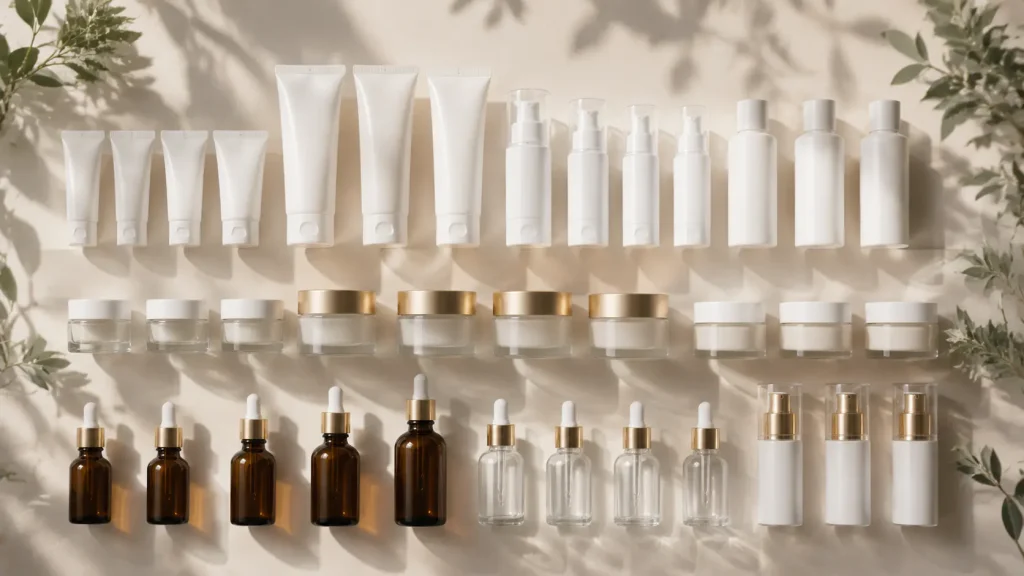
MOQ is one of the biggest drivers of your initial inventory investment.
But there is no universal private label MOQ or OEM MOQ.
Minimum quantities may be influenced by:
- Formula batch size
- Raw material supplier minimums
- Manufacturing equipment
- Product format
- Packaging supplier MOQ
- Printing and decoration
- Level of customization
Existing formulas with readily available packaging may sometimes support a more flexible initial order than highly customized projects.
Higher quantities may reduce some costs per unit, but they also increase the amount of capital tied up in inventory.
For a new product, the most important question isn’t simply:
“Who has the lowest MOQ?”
It’s:
“What production quantity gives my brand a reasonable balance between unit economics and inventory risk?”
If you want to understand what happens after a formula is approved — including scale-up, raw-material preparation, batch manufacturing, filling, packaging, quality control, and finished-product release — see our Complete Cosmetic Manufacturing Process Guide.
4. Cosmetic Packaging
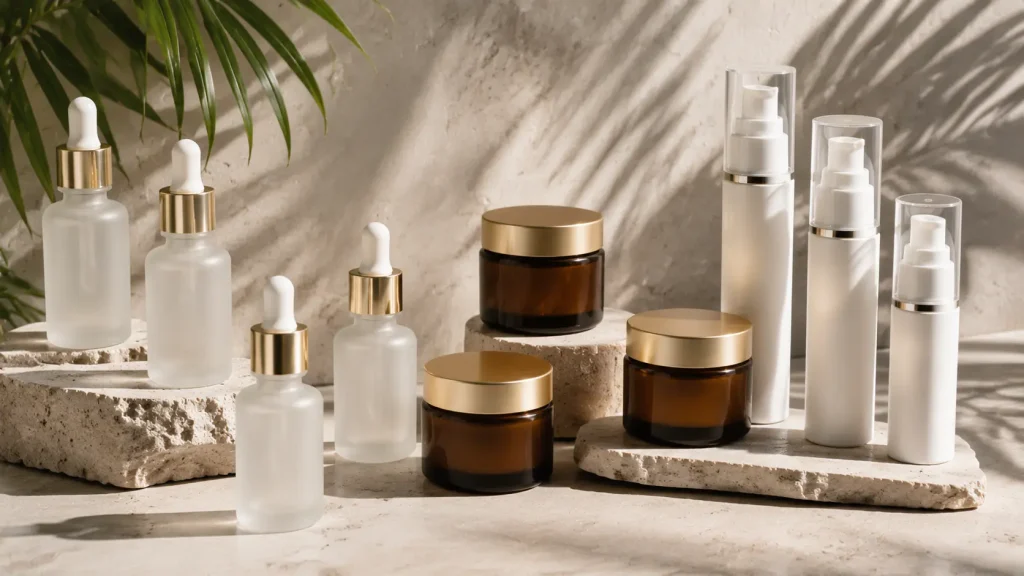
Packaging is one of the most commonly underestimated parts of a beauty product budget.
You’ll usually need to consider both:
- Primary packaging — the bottle, jar, tube, pump, dropper, stick, or other component that directly contains the product.
- Secondary packaging — cartons, labels, inserts, sleeves, and other external components.
Packaging cost depends heavily on how customized you want the product to be.
Stock Packaging
Stock packaging uses existing bottles, jars, tubes, pumps, or other components.
This generally reduces development complexity because you aren’t paying to create an entirely new packaging structure.
You can still differentiate the product through:
- Color
- Labels
- Printing
- Coating
- Decoration
- Outer cartons
Custom Packaging
Custom-molded packaging can create a more distinctive product, but may add costs related to:
- Design
- Engineering
- Tooling or molds
- Prototypes
- Testing
- Higher packaging minimums
- Longer development lead times
For brands testing a new product, stock packaging can be a practical way to preserve more of the launch budget for inventory and marketing.
5. Printing, Labels & Packaging Decoration
Packaging quotations don’t always include all of the branding work applied to the package.
Depending on your design, additional costs may include:
- Labels
- Screen printing
- Hot stamping
- Coatings
- Special finishes
- Custom colors
- Carton printing
- Artwork setup
More decoration can create stronger visual differentiation, but each additional process can affect cost, MOQ, lead time, and production complexity.
6. Stability, Microbiological & Other Product Testing
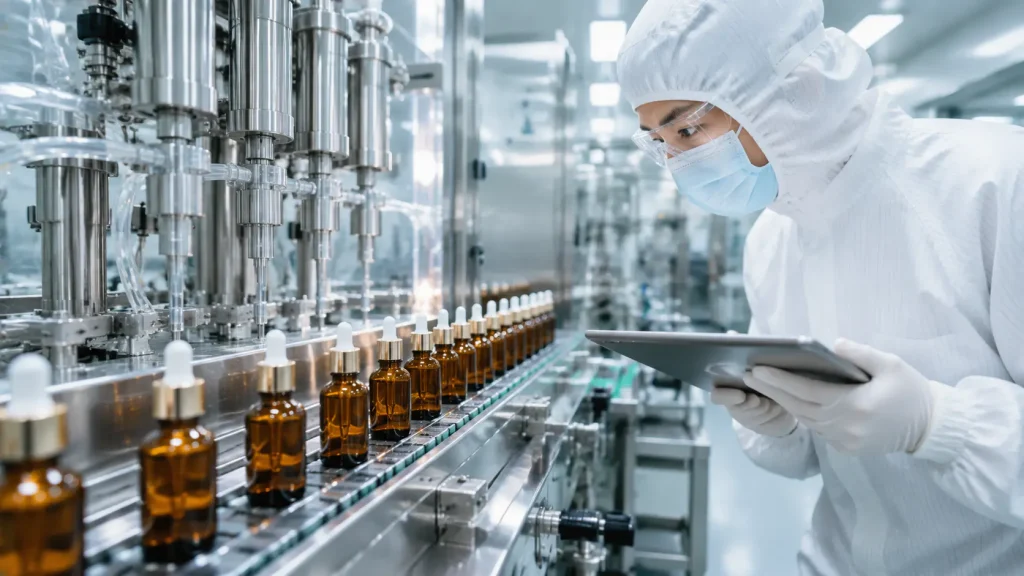
Testing is another cost that depends heavily on the specific product.
Depending on the formula and project, testing may include areas such as:
- Stability evaluation
- Microbiological testing
- Preservative-system evaluation where applicable
- Packaging compatibility
- Product-specific performance testing
- Claim-related testing
There isn’t one testing package or one testing price that applies to every cosmetic.
A simple product with straightforward positioning can have very different requirements from a sunscreen, highly customized active formula, or product making specific performance claims.
Ask your manufacturer which evaluations are included in the quotation and which require additional third-party testing.
7. Target-Market Compliance
Where you plan to sell your product can also affect your development budget.
Different markets may involve different requirements for:
- Formula review
- Ingredient restrictions
- Labeling
- Product documentation
- Safety information
- Notifications, registrations, or listings where applicable
- Claims
If you’re developing one product for several international markets, discuss those markets with the manufacturer before the formula and packaging are finalized.
Changing the product late in development to meet another market’s requirements can create additional cost and delays.
8. Branding, Design & E-Commerce Setup
The factory quotation isn’t your complete launch budget.
Your brand may also need to invest in:
- Brand identity
- Logo design
- Packaging artwork
- Product photography
- Video and launch content
- Website or e-commerce setup
- Samples for marketing or retailers
These costs vary enormously depending on whether you handle creative work internally, use freelancers, or work with a full branding agency.
Keep them as a separate part of the budget rather than assuming everything is covered by your manufacturing quotation.
9. Marketing & Product Launch
Manufacturing a product and successfully launching it are two different investments.
Possible launch expenses include:
- Paid advertising
- Influencer or creator partnerships
- PR
- Product seeding
- Retail samples
- Trade shows
- Launch promotions
- Content production
There’s no universal percentage of your budget that must go toward marketing.
Your strategy should depend on your audience, distribution model, existing customer base, price point, and how you plan to acquire customers.
10. Shipping, Duties & Logistics
Finished manufacturing cost doesn’t necessarily equal landed cost.
Your final inventory budget may also need to consider:
- Freight
- Customs or duties where applicable
- Warehousing
- Fulfillment
- Insurance
- Local delivery
This is especially important for brands manufacturing in one country and selling in another.
Private Label vs. Custom Formula: Cost Comparison
The table gives a useful budgeting overview, but private label, ODM, and OEM describe different development structures rather than fixed price tiers. The exact scope can vary significantly between manufacturers.
If you’re deciding which route best fits your budget, launch timeline, customization needs, and desired level of product differentiation, read our
OEM vs. ODM vs. Private Label Cosmetics Guide for a more detailed comparison of the three development models.
How to Build a Realistic Beauty Product Launch Budget
Instead of starting with one total budget number, build the estimate from the bottom up.
Ask your manufacturer to separate the quotation into areas such as:
- Formula development
- Samples and revisions
- Testing
- Bulk formula or finished product
- Primary packaging
- Labels or decoration
- Secondary packaging
- Tooling where applicable
- Shipping or logistics
Then add your own branding, e-commerce, marketing, warehousing, and launch expenses separately.
This gives you a much clearer picture of where your money is going — and which parts of the project can be simplified if the budget becomes too high.
How to Reduce Beauty Product Launch Costs
If you’re trying to launch with a controlled budget, focus on reducing complexity rather than simply choosing the cheapest manufacturer.
- Start with fewer SKUs. One or two strong hero products require less inventory, packaging, artwork, and launch spend than a large collection.
- Consider an existing formula. Private label or ODM can reduce early formulation complexity if the available product fits your positioning.
- Use stock packaging. Avoid custom molds until the sales opportunity justifies the additional investment.
- Keep decoration simple. Labels or simpler printing processes may be more practical than highly customized finishing for an initial launch.
- Define your target cost early. Give the manufacturer a realistic commercial target before the formula becomes too expensive to change.
- Don’t over-order just to reduce unit cost. Lower cost per unit isn’t useful if cash is trapped in inventory that doesn’t sell.
- Validate before expanding. Use real customer data from your first products before adding more SKUs or investing heavily in custom packaging.
Costs That Beauty Founders Often Forget
Your first manufacturing quote may not represent the full amount needed to get a product into a customer’s hands.
Budget separately for items such as:
- Sample shipping
- Packaging prototypes
- Artwork revisions
- Barcode or labeling requirements
- Product photography
- E-commerce fees
- Warehousing
- Freight
- Customs and duties where applicable
- Fulfillment materials
- Marketing samples
- Returns or damaged inventory
Including these costs early creates a more realistic picture of the cash required for launch.
Frequently Asked Questions
How much does it cost to launch a beauty product?
There is no single standard amount. A lean project using an existing formula and stock packaging can require substantially less investment than a fully custom product with specialized formulation, testing, custom packaging, and a larger production run. Your formula, packaging, MOQ, testing, number of SKUs, and target market are the biggest variables.
What is the cheapest way to launch a beauty product?
Starting with an existing private label or ODM formula, limiting the initial number of SKUs, and using stock packaging can reduce development complexity and upfront investment compared with a highly customized launch.
Is private label cheaper than custom formulation?
Private label generally requires less original formulation work because development begins with an existing product. Custom formulation usually requires more R&D, sampling, testing, and scale-up. Actual total cost still depends on packaging, order quantity, and the specific project.
What is the MOQ for cosmetic manufacturing?
There is no universal cosmetic MOQ. Minimum quantities depend on formula batch size, ingredients, packaging, supplier minimums, product format, decoration, and the manufacturer’s production setup.
How much does cosmetic packaging cost?
Packaging cost varies widely. Stock packaging is generally simpler and less development-intensive, while custom molds, premium materials, special finishes, and custom decoration can add tooling, production, and minimum-order costs.
Does the manufacturing quote include testing?
Not always. Some manufacturers include selected evaluations within product development, while additional testing may be quoted separately. Ask exactly which stability, microbiological, compatibility, performance, or third-party tests are included.
Does the manufacturing quote include packaging?
It depends on the manufacturer and quotation. Some provide turnkey formula, filling, and packaging services, while others quote bulk product and packaging separately. Always confirm what’s included before comparing suppliers.
Is custom formulation worth the additional cost?
It depends on how important formula differentiation is to your brand. If your competitive advantage depends heavily on a unique texture, ingredient system, or performance profile, custom development may be worthwhile. If you’re primarily testing market demand, an existing formula may be a more efficient starting point.
How can I get an accurate cost for my product?
Prepare a clear product brief including product type, desired ingredients, texture, packaging direction, estimated quantity, target market, and target cost. A manufacturer can then build a quotation around the actual project rather than a generic industry estimate.
Ready to Get a Real Cost for Your Beauty Product?
Online cost guides are useful for understanding what affects your budget, but they can’t tell you exactly what your own product will cost.
A realistic quotation needs to consider your formula, ingredients, packaging, customization, testing, manufacturing quantity, and target market together.
NEXO Beauty Labs supports beauty brands across private label, ODM, and custom OEM product development, helping brands evaluate different formulation and packaging routes according to product positioning and launch requirements.
Request an OEM/ODM Consultation with NEXO Beauty Labs to discuss your product concept, formula direction, packaging, MOQ, target market, and expected launch plan.